
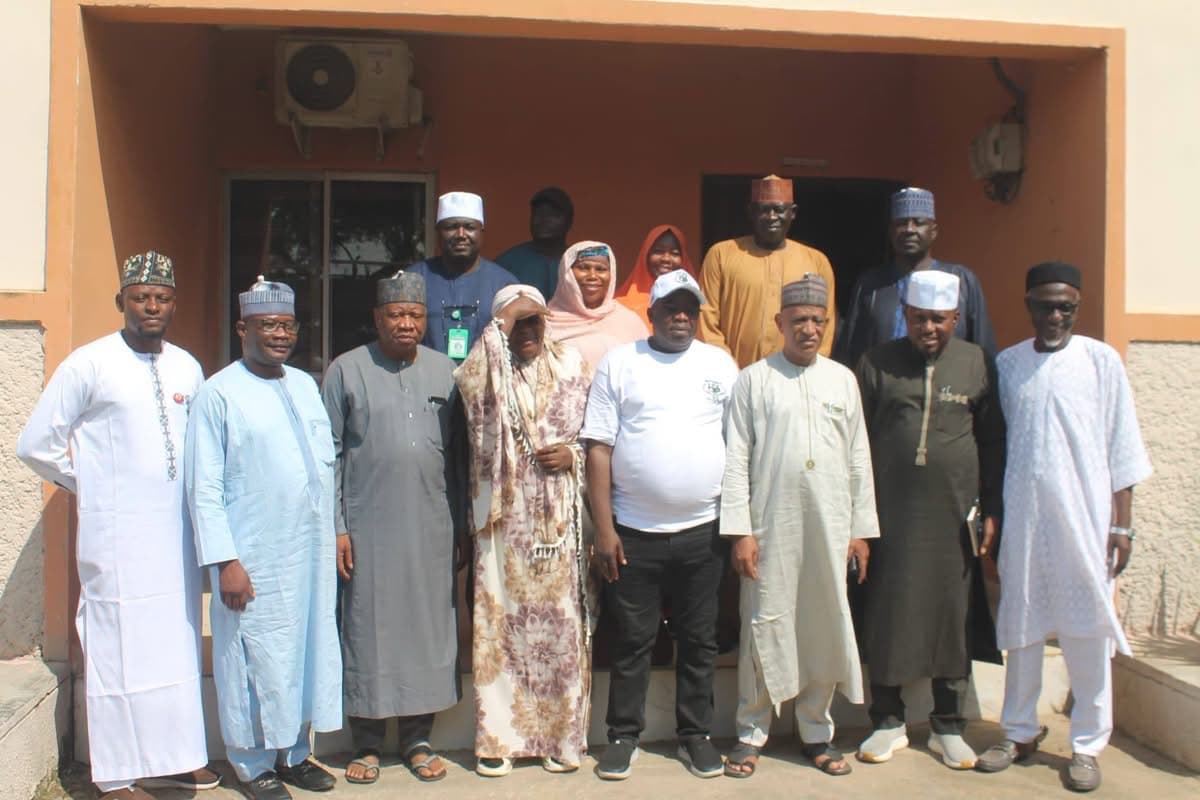
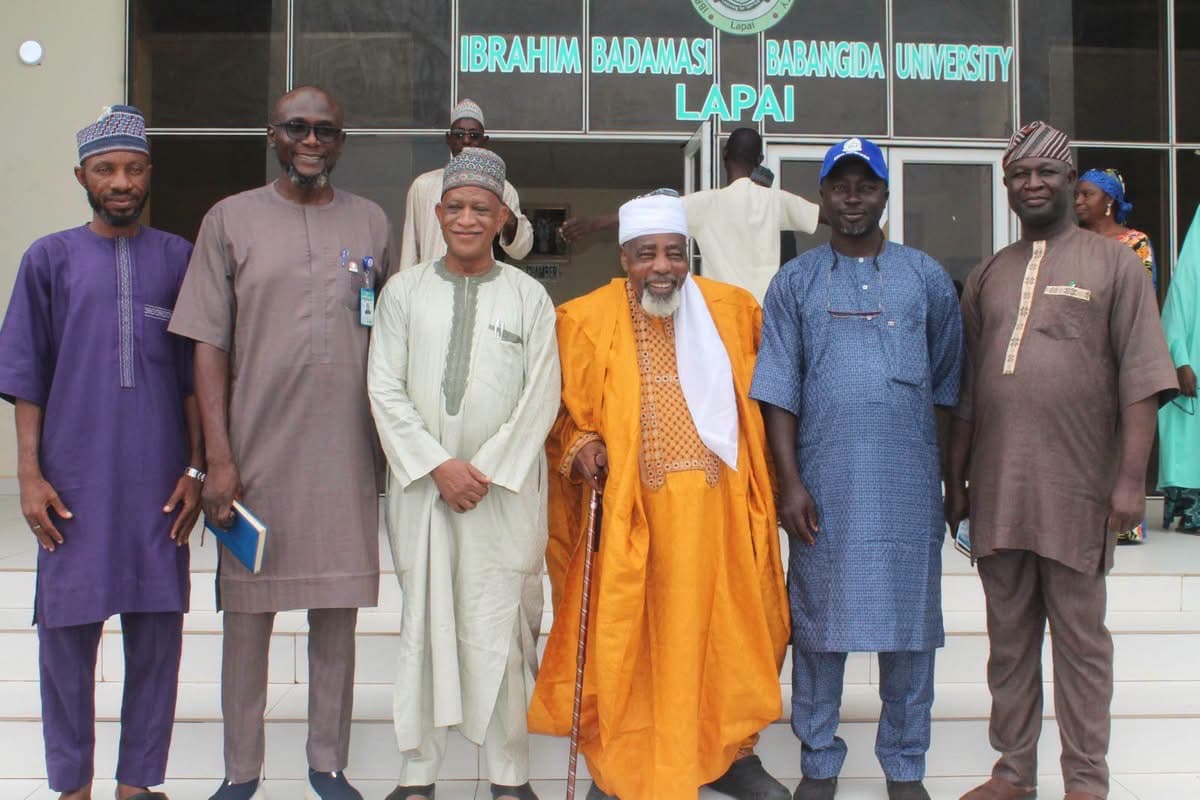
The Management of Ibrahim Badamasi Babangida University, Lapai, IBBUL, and the Niger State Government have called for renewed dialogue with the Academic Staff Union of Universities, ASUU, to resolve the ongoing industrial dispute at the institution.
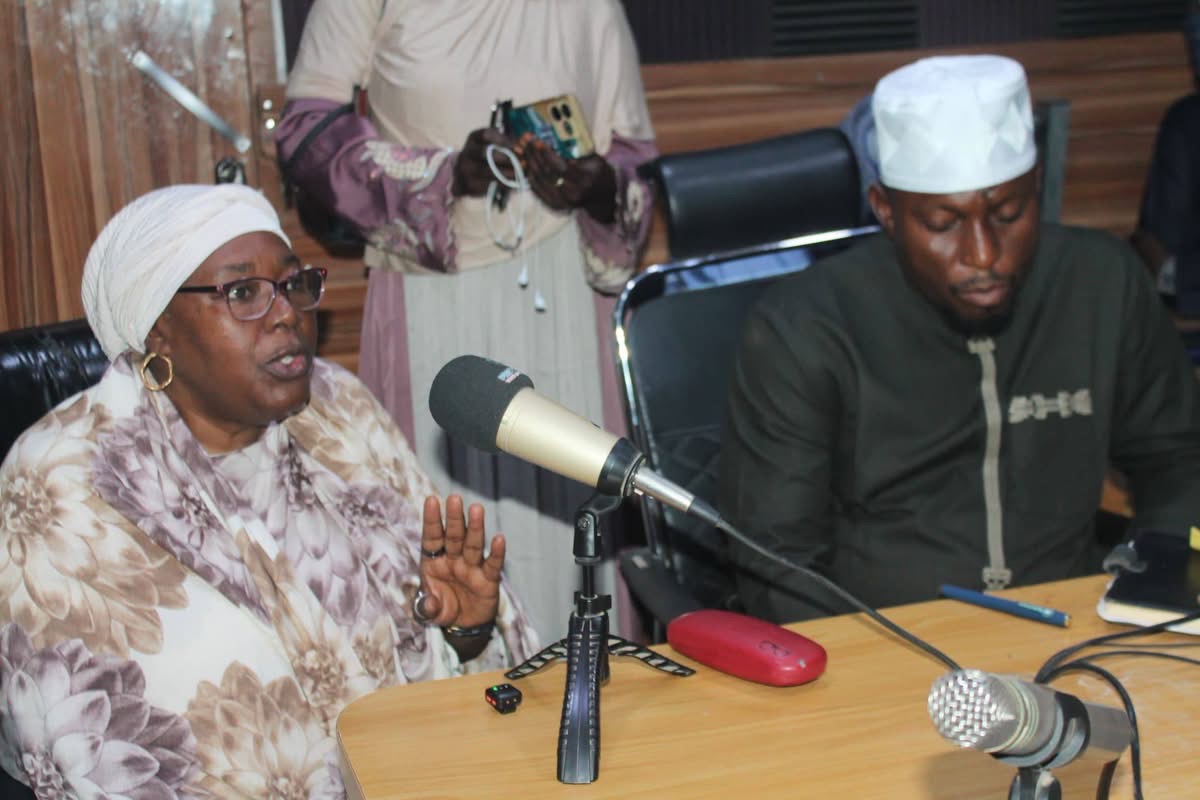
The Vice-Chancellor of the University, Professor Mohammed Hadi Sulaiman, stated this while speaking on Nigeria Today, a morning programme on Prestige FM.
Professor Sulaiman explained that the university had resolved virtually all administrative issues relating to the implementation of the 2025 agreement between the Federal Government and ASUU, while the financial aspects were still being discussed with the Niger State Government.
He said the agreement introduced a new salary regime, including a 40 per cent increase for academic staff, alongside other financial and administrative provisions.
The Vice Chancellor disclosed that the university had submitted the financial implications to the state government and was engaging the local ASUU branch to find a resolution to the dispute.
He said his engagements with the Visitor to the university, Governor Mohammed Umaru Bago, the national leadership of ASUU and the Commissioner for Tertiary Education were aimed at addressing what he described as a breakdown in communication among the stakeholders.
Professor Sulaiman added that Governor Bago had expressed readiness to chair a meeting in Lapai involving the government, university management, unions and other stakeholders once the strike is suspended.
Also speaking, the Commissioner overseeing Tertiary Education, Alhaji Adamu Abdullahi Sheshi, said the state government had made considerable efforts to engage ASUU and address its concerns.
He disclosed that government would continue to release 200 million naira monthly from September 2026 to January 2027 as part of measures to ease the financial burden.
The Commissioner appealed to ASUU to suspend the strike and return to the negotiating table, noting that the state government has several tertiary institutions and other financial obligations.
He also assured parents that the government currently had no plan to increase tuition fees to meet the union’s demands.
In his contribution, the Permanent Secretary in the Ministry, Suraj Sa’id, dismissed claims that the government had failed to engage ASUU after receiving its demands.
He said the government had held four meetings with the union and repeatedly appealed to it to give the Visitor time to consider the issues and take necessary decisions.
Also contributing, the Director-General, Schools and Education Reform, Hajiya Maimuna Mohammed, said the welfare of students and the stability of the education system should remain central to the dispute.
She acknowledged the concerns of academic staff over welfare, working conditions and outstanding agreements, but noted that prolonged strikes negatively affect students and their families.
Hajiya Maimuna said repeated disruptions to academic calendars delay graduation, increase pressure on parents and keep young people out of school for extended periods.
She called on the government, ASUU, university management and other stakeholders to continue negotiations and explore solutions that would minimise disruption to academic activities.
Similarly, the Director-General, Students Affairs, Niger State, Honourable Bello Barau Sharif, said students had become the major victims of the prolonged industrial action.
He said students had lost several weeks of lectures at a time when they were preparing for second-semester examinations, creating uncertainty over their academic calendar and graduation.
Honourable Sharif disclosed that his directorate had been engaging student leaders who were considering protests, urging them to remain calm and avoid actions that could create additional challenges.
He appealed to ASUU, government and university management to consider the academic and welfare implications of prolonging the strike.
He stressed that resolving the dispute requires the collective efforts of government, ASUU, university management, parents and students, with student welfare remaining a key consideration.


Comments
No comments yet.