

A Professor of Educational Psychology at Ibrahim Badamasi Babangida University, Lapai (IBBUL), Professor Mohammed Ibrahim Baji, has emphasised the importance of psychological well-being, character formation and quality education in promoting responsible citizenship and sustainable national development.
Professor Baji made the assertion while delivering the university’s 31st Inaugural Lecture, titled “Educational Psychology Beyond the Classroom: Promoting Well-Being, Character Formation and National Development.”
He explained that Educational Psychology extends beyond classroom instruction and academic achievement, providing evidence-based approaches to addressing critical societal challenges, including mental health, family relationships, youth unemployment, educational inclusion, social cohesion and national security.
The professor identified the family as a child’s first learning environment, noting that schools also have a crucial responsibility to nurture learners’ intellectual, emotional, psychological and moral development.
He stressed that character formation and peace education were essential to building responsible citizens, strengthening national unity and addressing societal challenges.
According to him, psychological support, timely intervention and encouragement could transform lives, particularly among learners whose potential remains untapped due to a lack of guidance, confidence and opportunities.
“Behind every learner is a possibility that may need only guidance, confidence and the right opportunity to emerge,” he observed.
Professor Baji maintained that setbacks should not define an individual’s future, explaining that appropriate guidance, encouragement and access to opportunities could help individuals overcome challenges and achieve their potential.
He presented a framework linking psychological well-being with effective family functioning, quality education, character formation and youth empowerment, ultimately leading to responsible citizenship and sustainable national development.
The inaugural lecturer argued that mental health should be treated as an educational concern rather than solely a medical issue, adding that families, schools and communities must work together to promote the psychological well-being of children and young people.
He also described character education as a vital strategy for national security, urging educational institutions to look beyond academic performance and pay greater attention to the values, attitudes and behaviours they instil in learners.
On youth empowerment, Professor Baji emphasised that psychological empowerment should precede economic empowerment, noting that confidence, resilience and self-belief were essential for young people to take advantage of employment and entrepreneurship opportunities.
Recommendations for Government and Educational Institutions
Professor Baji called on governments at all levels to strengthen school-based mental health programmes, expand guidance and counselling services, integrate character and civic education into school curricula, and promote inclusive and equitable access to education.
He also recommended increased investment in early childhood education, parenting education, child protection and professionally managed counselling services in schools.
For universities, he advocated the modernisation of Educational Psychology curricula to incorporate school mental health, psychological assessment, resilience, trauma-informed practices, digital psychology, the responsible use of artificial intelligence in education, social-emotional learning and peace education.
He further urged universities to increase research funding, strengthen postgraduate training, establish psychological support services and deepen community engagement through evidence-based interventions.
The professor also called on relevant professional bodies to improve training standards, promote evidence-based psychological practice, strengthen professional development and advocate the expansion of mental health and school psychology services nationwide.
He expressed the hope that the lecture would stimulate further research, inform educational policies, improve professional practice and inspire emerging Educational Psychologists to apply research findings to Nigeria’s educational and societal challenges.
Vice-Chancellor Reaffirms Commitment to Academic Excellence
In his remarks, the Vice-Chancellor of IBBUL, Professor Mohammed Hadi Sulaiman, represented by the Deputy Vice-Chancellor (Administration), Professor Salihu Mohammed Niworu, expressed the university management’s delight at hosting distinguished scholars, invited guests and members of the university community for the 31st Inaugural Lecture.
Professor Sulaiman described inaugural lectures as important academic traditions that celebrate scholarship, promote intellectual discourse and demonstrate the relevance of research to contemporary societal challenges.
He noted that the lecture was timely, as it highlighted the need for education to extend beyond academic qualifications to include psychological well-being, sound character and responsible citizenship.
The Vice-Chancellor reaffirmed the university management’s commitment to academic excellence, research and innovation, digital transformation, staff development, student welfare, entrepreneurship and strategic partnerships as essential priorities for institutional growth and national development.
He emphasised that Educational Psychology provides valuable insights into learning, personal development and human behaviour, adding that supportive learning environments, effective mentorship, ethical leadership and positive institutional values were necessary for producing well-rounded graduates.
Professor Sulaiman also underscored the responsibility of universities to contribute to national development through relevant research, quality teaching and community engagement.
He called for stronger collaboration among universities, government, industry and other stakeholders, expressing confidence that the lecture would inspire further scholarship and encourage academics and young researchers to translate research findings into practical solutions to educational and societal challenges.
Registrar Commends Inaugural Lecturer
In his closing remarks and vote of thanks, the Registrar, Alhaji Idris Saleh Kusherki, expressed appreciation to the Vice-Chancellor, members of the Governing Council, university management, Senate, staff, students, invited guests and the university community for their contributions to the success of the lecture.
He particularly commended Professor Baji for his scholarly presentation and contributions to the understanding of Educational Psychology and its relevance to psychological well-being, character formation and national development.
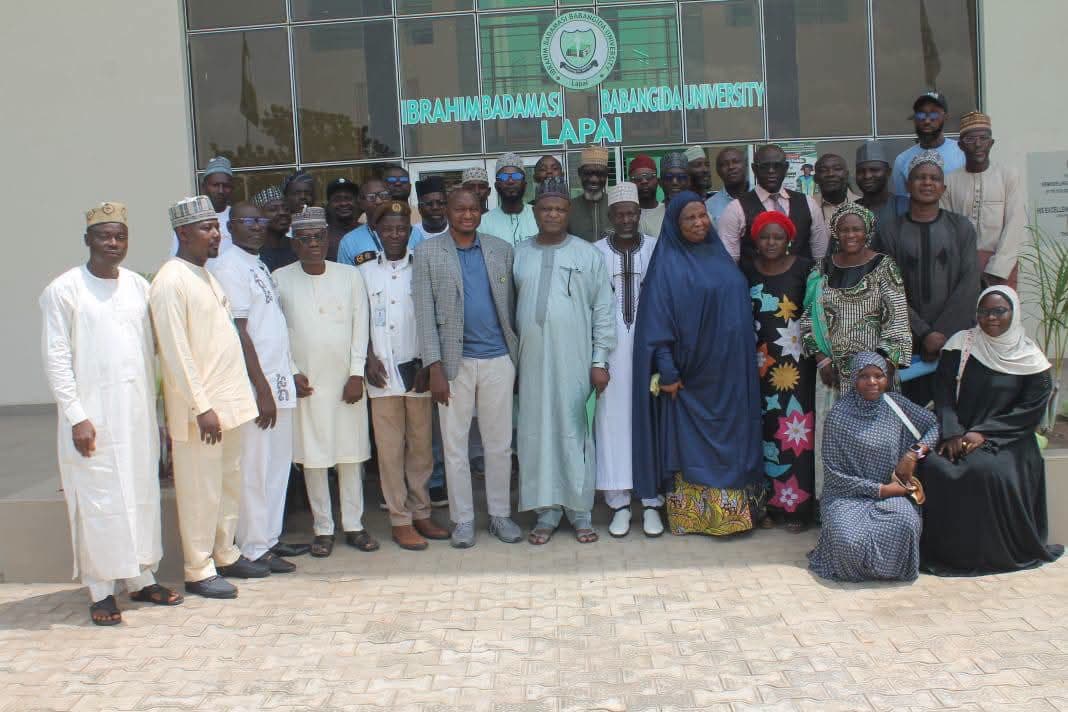
A former Deputy Governor of Niger State, Alhaji Ahmed Mohammed Ketso, alongside serving and retired government officials, attended the inaugural lecture.


Comments
No comments yet.