
Researchers at Ibrahim Badamasi Babangida University, Lapai (IBBUL), have unveiled two research projects worth approximately ₦77 million aimed at preventing recurrent cholera outbreaks in Nigeria and advancing the exploration of lithium deposits for sustainable development.
The projects, funded by the Tertiary Education Trust Fund (TETFund) through the National Research Fund (NRF), are being undertaken by Associate Professors Hussaini Majiya and Yusuf Usman Tanko.
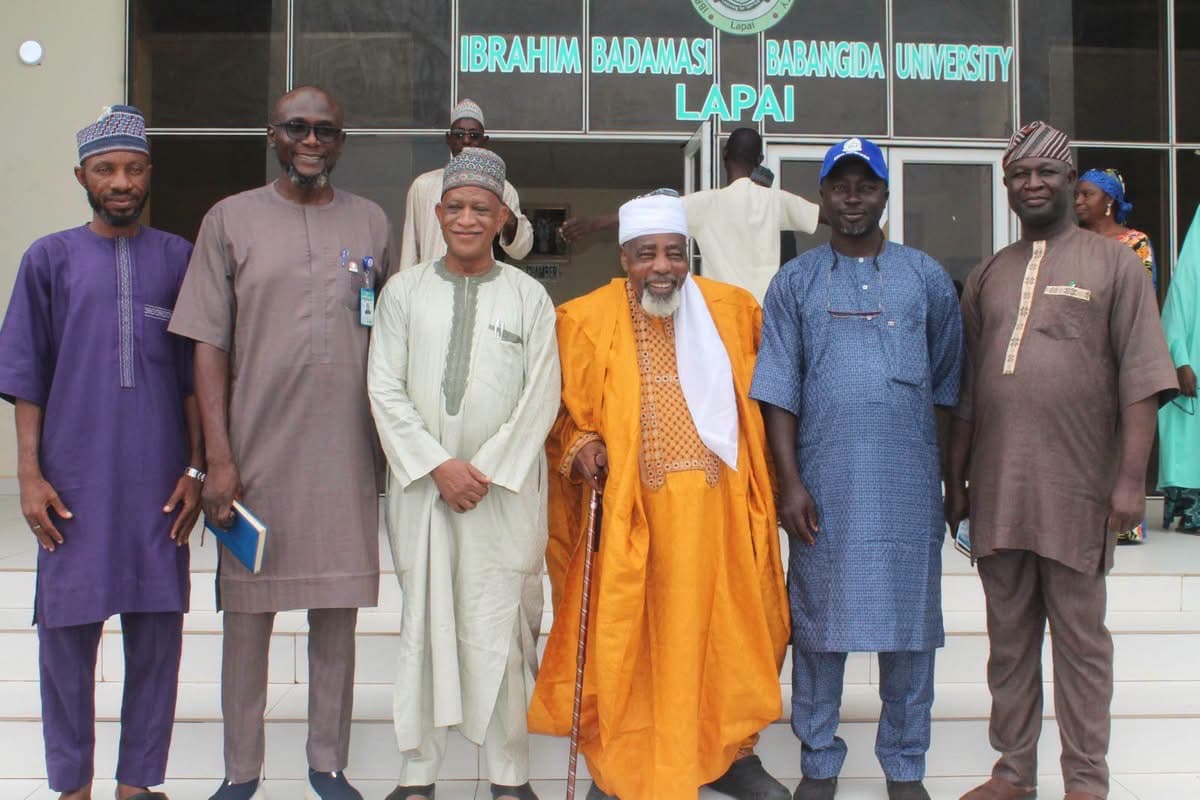
The Vice-Chancellor of IBBUL, Professor Mohammed Hadi Sulaiman, reaffirmed the university’s commitment to research excellence, innovation and the development of solutions to critical national challenges.
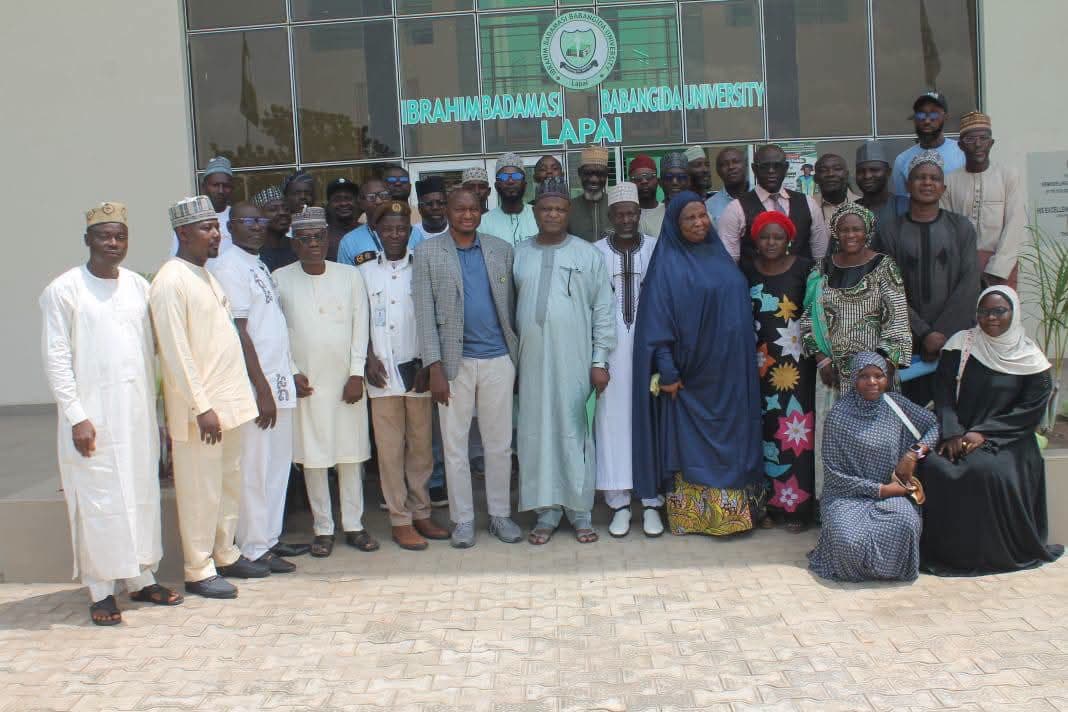
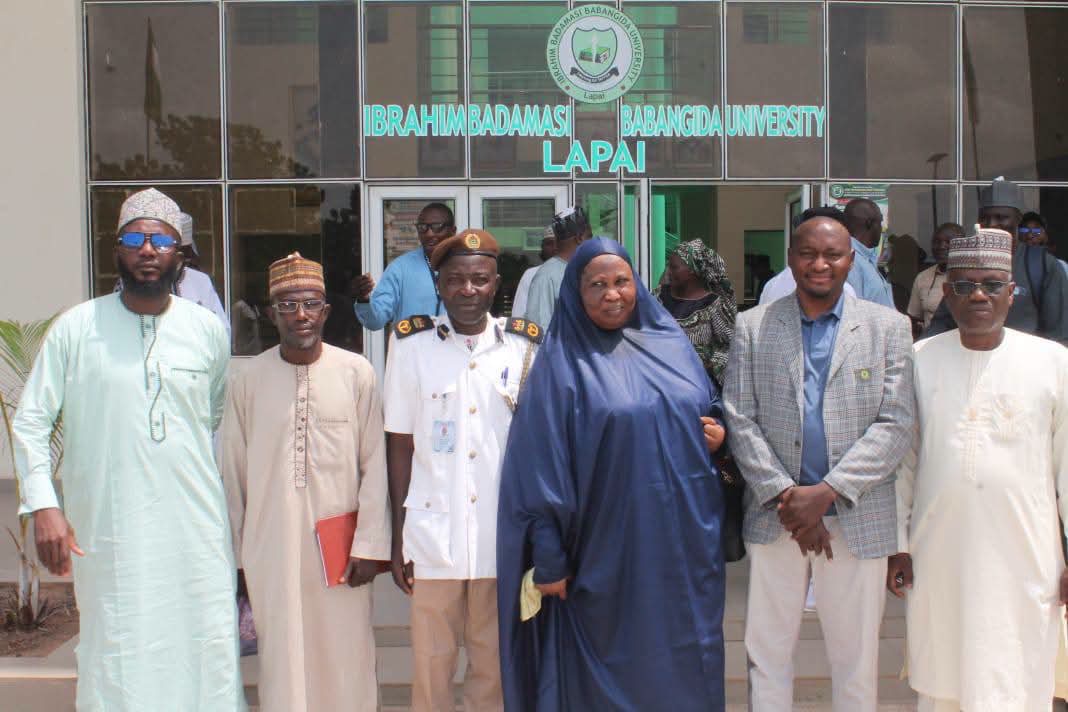
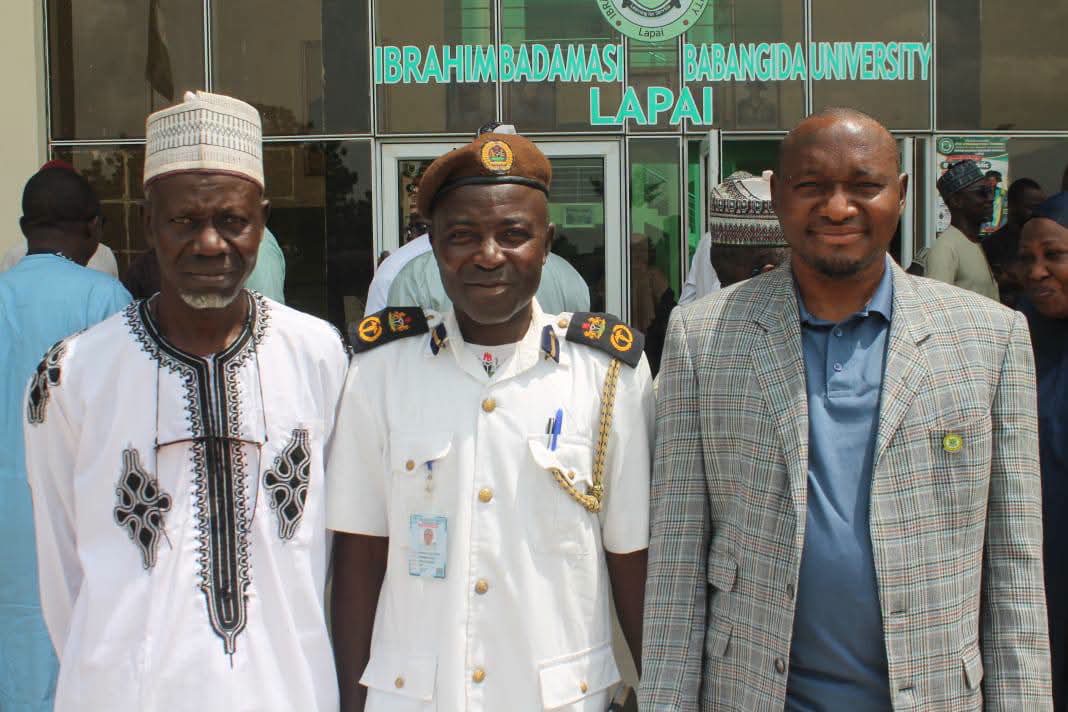
Professor Sulaiman, represented by the Deputy Vice-Chancellor (Academic), Professor Aliyu Bello Muhammad, gave the assurance at a research workshop organised to showcase the projects and engage stakeholders in their implementation.
He described the workshop as an opportunity to celebrate the researchers’ achievements, encourage other academic staff to pursue competitive research grants and strengthen the university’s research culture.
The Vice-Chancellor noted that 12 research concept groups had reached the interview stage, making the success of the two IBBUL researchers a significant achievement deserving of institutional recognition and support.
“IBB University is a state-owned university that is just 20 years old, but when you mention research, we are known all over Nigeria and beyond. We believe our researchers will continue to keep the flag flying,” he said.
Professor Sulaiman expressed optimism that the university would increase its success rate in subsequent NRF funding rounds, setting a target of at least six successful researchers in the next round, compared with the two current beneficiaries.
He urged the researchers to keep the university management, Senate, staff and students informed about their research objectives, implementation activities and progress, noting that regular engagement would encourage constructive feedback and create opportunities for collaboration.
Earlier, the Director of the Centre for Research and Development, Professor Folorunso Alimi Lawal, described the NRF as one of Nigeria’s flagship research initiatives for supporting studies that address national challenges and contribute to global development.
Professor Lawal said IBBUL had maintained a strong record of success in NRF-funded research, expressing satisfaction that the tradition was being sustained through the latest grants awarded to the two researchers.
He explained that the workshop was organised to engage stakeholders expected to contribute to the implementation of the projects, including representatives of relevant government ministries, public health institutions and professional associations.
The director urged participants to provide practical recommendations and deploy their professional expertise to ensure effective implementation and maximise the benefits of the projects to the target communities.
Presenting his research, Associate Professor Hussaini Majiya outlined a project titled “Development of a National Groundwater Risk Assessment Framework for Informed Public Health Policy towards Ending Recurrent Cholera Outbreaks in Nigeria.”
The project seeks to establish a scientifically validated framework for assessing groundwater contamination risks and guiding public health interventions to reduce cholera outbreaks.
Majiya explained that the study would cover 46 communities across 16 local government areas identified as cholera hotspots in Nigeria’s six geopolitical zones.
The research will assess 1,120 groundwater sources and involve the collection and analysis of 3,360 water samples to determine the potential effects of nearby pit latrines, septic tanks and sewage systems on water quality.
It will also incorporate focus group discussions, design-thinking workshops, stakeholder consultations and capacity-building activities to develop a framework that environmental health officers and policymakers can apply in different locations.
With funding of approximately ₦49 million and a projected duration of 22 months, the project is expected to complement Nigeria’s National Strategic Plan of Action on Cholera Control and contribute to Sustainable Development Goals 3, on good health and well-being, and 6, on clean water and sanitation.
The research is also expected to support efforts to reduce waterborne diseases, healthcare costs and the social stigma associated with recurrent cholera outbreaks.
In a separate presentation, Associate Professor Yusuf Usman Tanko unveiled his project titled “Developing Smart Geoscientific Strategies to Assess Strategic Lithium Deposits in Nigeria as a Catalyst for Clean Energy Leadership and Sustainable Development.”
The project, valued at approximately ₦28 million, aims to develop internationally benchmarked geoscientific frameworks for the systematic exploration and sustainable management of lithium deposits in Nigeria.
The study will cover selected areas in Niger, Oyo, Osun, Ekiti, Nasarawa and Bauchi states, bringing together experts in geosciences, environmental and biological sciences, socioeconomic research, policy and predictive modelling.
Tanko explained that the research would generate scientific evidence to strengthen Nigeria’s capacity to identify and assess lithium resources, promote responsible mineral development and position the country to benefit from increasing global demand for the mineral.
Lithium is a critical raw material used in batteries and other clean-energy technologies, making its responsible exploration an important component of the global transition to cleaner energy sources.
In their goodwill messages, the representative of the Niger State Ministry of Environment and Climate Change, Hajiya Hauwa Haruna; the State Chairman of BODAN, Usman Aliyu; the Minna Chapter representative of NAH, Usman Abdullahi; and the President of the Environmental Health Officers Association of Nigeria (EHOAN), Niger State Chapter, Comrade Sanitarian Abdullahi Alhaji Sheshi, commended IBBUL for promoting research addressing public health and environmental challenges.
They emphasised the need for collaboration among researchers, government agencies, professional associations and other stakeholders to translate research findings into practical solutions, particularly in groundwater safety, cholera prevention, environmental sanitation and sustainable resource management.
The stakeholders expressed optimism that the projects would provide scientific evidence to strengthen policymaking, improve environmental health practices and support interventions capable of improving the well-being of communities across Niger State and Nigeria.
In his closing remarks, the Registrar, Alhaji Idris Sale Kusherki, represented by the Deputy Registrar and Establishment Secretary, Mr Sunday Gana, commended the researchers for their commitment to advancing knowledge and developing solutions to national challenges.
He stressed that successful implementation would require sustained collaboration between the university, relevant government agencies, professional bodies and other stakeholders.
Kusherki urged the researchers to remain focused on their objectives, adhere to established research standards and ensure that their findings translate into practical benefits for society.


Comments
No comments yet.